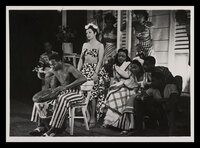
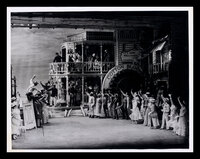
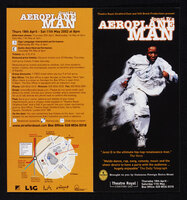
This musical, devised by English actor, dancer and designer Hedley Briggs, was the first to be based on a West Indian subject with a predominantly West Indian cast. The show opened a month before the Windrush brought West Indian immigrants to Britain and starred Edric Connor in the leading role of Napoleon. Connor was an actor, director and writer who contributed to make the Calypso genre popular in the UK and devoted his life to the struggle to increase opportunities for Black artists in the theatre.
Originally produced in New York in 1927, this musical tells the story of the Cotton-Blossom, a show-boat performing up and down the Mississippi River. This production featured Paul Robeson, the famous African American actor, in the role of Joe - the river man, described at the time as 'a kind of Negro Greek chorus', who made the show memorable with the performance of the song Old Man River.
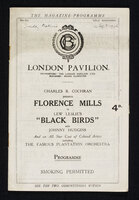
The performance starred Florence Mills and The Famous Plantation Orchestra presenting several numbers portraying life in the American Deep South, including Shufflin' Home, Jungle Nights in Dixie Land, performed by Florence Mills and The Plantation Girls. The show made a tremendous impact on the London stage, running at the London Pavilion for 200 performances.
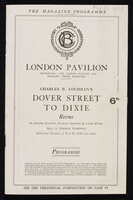
This musical expanded from a cabaret floorshow which begun at the Plantation Club in New York City where it opened in 1922 with the title of Dixie to Broadway. Set on a Southern plantation, where black life was stereotypically portrayed as happy and carefree, the musical brought the African American jazz singer Florence Mills to stardom. It then moved to London in May 1923 as part of the review From Dover Street to Dixie with a white English cast for the first half and the 'The Plantation Revue' company for the Dixie half. It toured to Paris and to various venues in England.
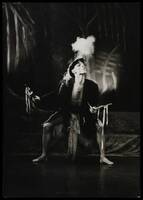
The production presented a unique review of dances from the West Indies, South America and West Africa based on Katherine Dunham's in depth anthropological research. It included L'Ag'ya, a piece devised by Dunham and set in 18th century Martinique. The piece displayed African and West Indian dances to tell a story of love and revenge culminating in the Ag'ya, the fighting dance of Martinique. Katherine Dunham was one of the groundbreaking African American choreographers who contributed to the development of African dance aesthetics internationally.
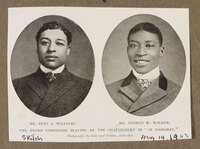
The musical comedy about a fraudulent scheme to return discontented black people to Africa. It was performed by a cast of about one hundred African American actors, and made a huge impact not only on the theatre but on fashion. Its display of dances such as the 'Cakewalk' and 'Buck and Wing' helped them become the latest dance hall crazes in the UK. Despite the show’s misrepresentations of Africa, it was a milestone because it was created and performed by an all-black cast and was the first to introduce an African theme to the musical genre.
The production included the pieces Drumscore and Sulkari, directly connected to traditional dances originating in Africa. In particular, the production highlighted the role of the drummer. Described in the programme thus: 'when God created the Earth, he first created the drummer' (Ghanaian proverb). The production made use of African rites and was inspired by African sculpture in the creation of choreographies.
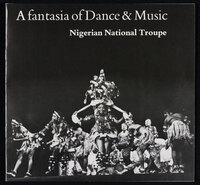
The production (which offered the organiser the opportunity to publicise the Second World Black and African Festival of Culture and the Arts in Lagos) displayed a number of traditional dances from Nigeria, known as 'ceremonial arts'. These are played at festival and ceremonies to mark events such as birth, marriage, burial, etc. and are accompanied by songs and traditional musical instruments including the Sarewa (a pastoral flute), Duma (a traditional drum), and Goge (a string instrument).
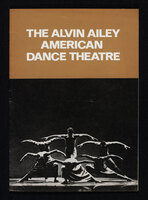
This dance piece was presented by one of the most influential American dance theatre companies, the Alvin Ailey American Dance Theatre, named after its founder, one of the most influential figures in 20th century American dance. Reflecting in its repertory both black and white artistic elements, the company has toured throughout Europe making an impact on the development of many black British artists. Amongst Ailey's eclectic choices are a number of pure jazz dance choreography including Roots of the Blues.
The show explored various ancestral dances still performed throughout Africa. Its title refers to the Adinkra symbol of the Ashanti people of Ghana, West Africa, which means there is no going forward without looking back. As noted in the programme 'Sankofa asks that in this new century we reflect on and embrace the traditions that have enriched our lives.'