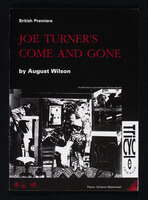
The play is set in 1911 and is based on the story of Joe Turner, a White man and brother of the Governor of Tennessee who, specialised in 'virtually kidnapping black labourers and forcing them to work as slaves for seven years.'
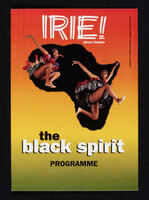
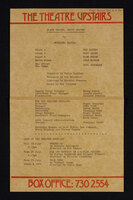
The Black Spirit was a production celebrating the spiritual force of African people using aesthetic influences from Africa, the Caribbean and Europe. It included two pieces of choreography, Agbara, exploring 'traditional' African movements and Freedom Suite exploring the process of gaining freedom, through pain, joy, exhilaration and transformation.
The play explores the history of the transatlantic slave trade by examining the political set-up in Britain and the practice among slavers in London, Liverpool and Bristol.
This production by a Theatre-in-Education company explored the story of Olaudah Equiano, who was born in the Ibo tribal land of Nigeria and sold into slavery. The play follows his journey from Africa to the West Indies where through his business acumen and thrift he bought his freedom. He eventually arrived in England and became one of the strongest voices in the fight for the abolition of the slave trade.
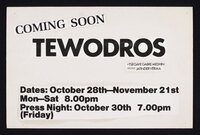
Presented as part of the Black Theatre Forum Season, the play is a historic Ethiopian classic by Tsegaye Gabre Medhin whilst writer in residence at the court of the Emperor Haile Selassie. It explores the rule of Kassa, Emperor of Ethiopia between 1855 and 1868, whose visionary politics changed the face of the country at the time British colonial power was making its entry. The director's use of theatre stylisation was achieved through the use of mime, make-up and costumes with a high visual impact, drawing on a number of links between Ethiopia and Western India.
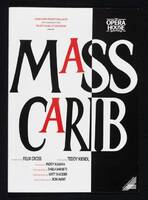
This musical play explores the impact of the history of transatlantic slavery in the Caribbean through music and drama and is set in the early 1950s when a group of islanders are about to emigrate to England paying tribute to their captive past in the form of a mass.
The play explores aspects of the transatlantic slave trade in the 18th century through the story of Ide, the proud son of King Amda and William, the son of Samuel Randall a wealthy Liverpool merchant. It is an examination of the role played by the Black African ruling class in the slave trade.
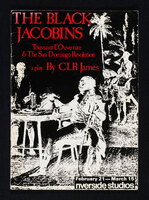
This production launched Talawa Theatre Company. Originally titled Toussaint L’Ouverture, James’s play is based on the story of the Black Haitian revolutionary leader by that name, who in 1791 led the only truly successful slave revolt in history. The play was performed by a Black cast led by Norman Beaton, fifty years after the first production at the Westminster Theatre, which starred Paul Robeson.
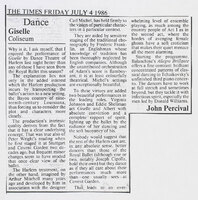
This dance piece developed from historical research on the freed slaves of Louisiana in the 19th century where the original story of Giselle was transposed. The production was widely reviewed during its tour of England.
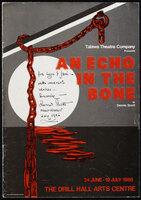
Set in Jamaica in 1937, this non-naturalistic play explores the history of Black people and their oppression. It starts with a nine nights ceremony for the death of its central character, Crew. This traditional ritual impels the characters to re-enact their history and the role played by slavery, taking them on a slave ship and to an auction through a series of flashbacks that awake a long and deep 'echo in the bone'.
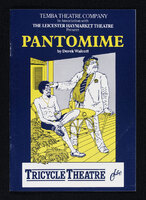
The play is set in Tobago in the Caribbean and explores the relationship between the master and the servant through a failed middle aged English actor, who runs a guest house on the island, and his Black servant. When the Englishman decides to put on a pantomime for his guests his servant takes the role of Robinson Crusoe and sees in this reversal an opportunity to establish a new set of relationships with his White employer.
A short piece written as an allegorical political fable, it tells the story of 'three enchained slaves' and their encounter with a white woman, a priest and a judge to portray the impositions and effects of slavery on black people.